

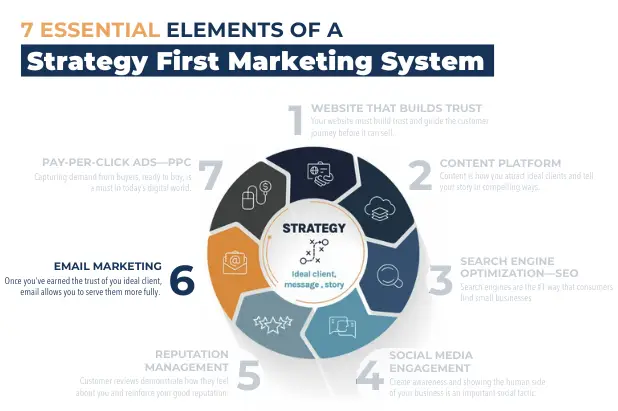
Here’s something that might surprise you: remodeling email marketing generates $36 for every $1 spent. Yep, that’s a 3600% return on investment. While you’re focused on extensive kitchen renovations and home additions, a well-built email system works quietly behind the scenes — growing your business.
The numbers tell the story. Nearly half of all marketers rank email as their top lead generation strategy. When you set it up right, email marketing builds genuine relationships with homeowners, keeps your brand top-of-mind, and drives more project bookings — and it’s cheap compared to other construction lead-generation tactics.
In this two-part series, we’ll walk you through how to build and optimize a system that turns leads into loyal clients — starting here with Part 1, where we focus on laying the foundation: audience segmentation, platform selection, branded construction email templates, and a strong opt-in process.
Set up the Foundation of Your Email System
Your email marketing system needs four solid foundations:
- Know your audience
- Choose the right tools
- Create templates that scale with you
- Build a strong opt-in process
Know Your Audience — Then Segment Accordingly
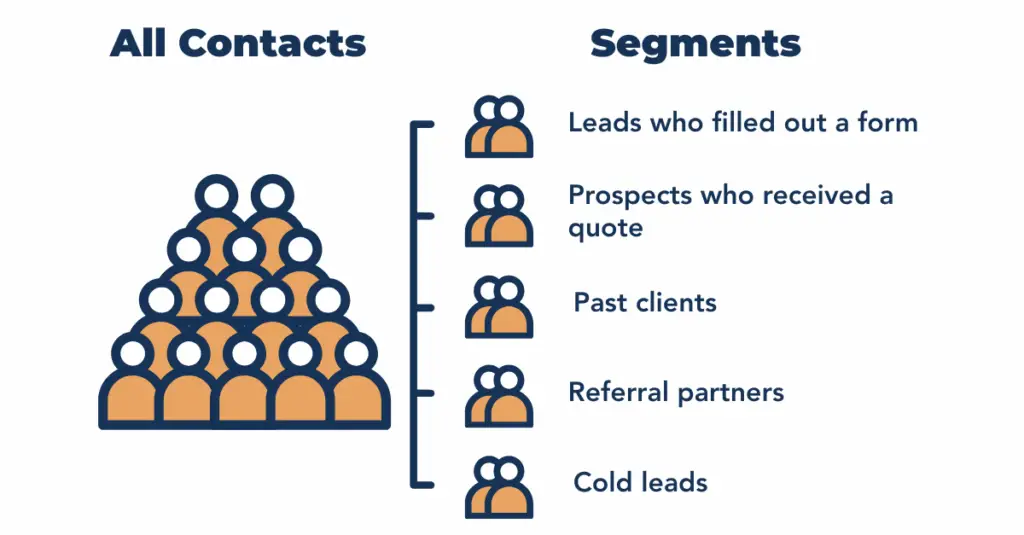
Stop sending the same message to everyone on your list. Divide your email list into segments based on criteria like project type, interests, or stage in the customer journey. This helps tailor your personalized emails to meet the specific needs of each group.
For example, you may have:
- Homeowners planning their first remodel and downloaded a guide
- People who received a quote but are not ready to pull the trigger
- Past clients considering their next project
- Referral sources who believe in your work
- Leads that went cold but might re-engage
Some subscribers want renovation tips and inspiration, while others will need practical advice about budgets and timelines. Understanding where each segment is in the customer journey will help you tailor the emails and campaigns. Builders who personalize emails based on needs and intent see far higher open and click-through rates.
Builders who personalize emails based on needs and intent see far higher open and click-through rates.
They also have a 3% higher gross margin and $1.9M higher average annual revenue than their peers.
Here’s a breakdown of typical audience segments in remodeling email marketing:
| Audience Segment | Email Goal |
|---|---|
| Lead who filled out a form | Lead generation and sales conversion |
| Prospects who received a quote | Follow up to close sale |
| Past clients | Referrals, upsells, brand advocacy |
| Referral partners (e.g. architects, real estate agents) | Network building, professional trust |
| Cold leads in CRM & general email list | Nurturing to sales-readiness |
If you’re struggling with lead quality and conversion, creating content and segmenting campaigns across the customer journey is how you fix that problem.
Choose an Email Platform That Talks to Your CRM
Choose an email marketing platform that integrates with your customer relationship management system. This integration turns every email interaction into useful data about each lead’s interests and journey stage.
Look for marketing platforms built with construction businesses in mind. Buildertrend, for example, offers:
- Construction email templates to get you started
- Direct integration with project management tools
- Performance tracking that shows which campaigns drive leads
- Branded, mobile-optimized communication
Mailchimp and Constant Contact are user-friendly and full of features that let you build branded templates in minutes or import from your website’s design. Both platforms integrate with a long list of CRMs since they’ve been around a long time.
Builders who email consistently through CRM-integrated platforms see higher close rates and more reliable forecasting.
Choosing a platform that connects with your existing systems isn’t just convenient — it’s profitable for your construction marketing efforts.
Build Branded Remodeling Email Marketing Templates for Consistent Communication
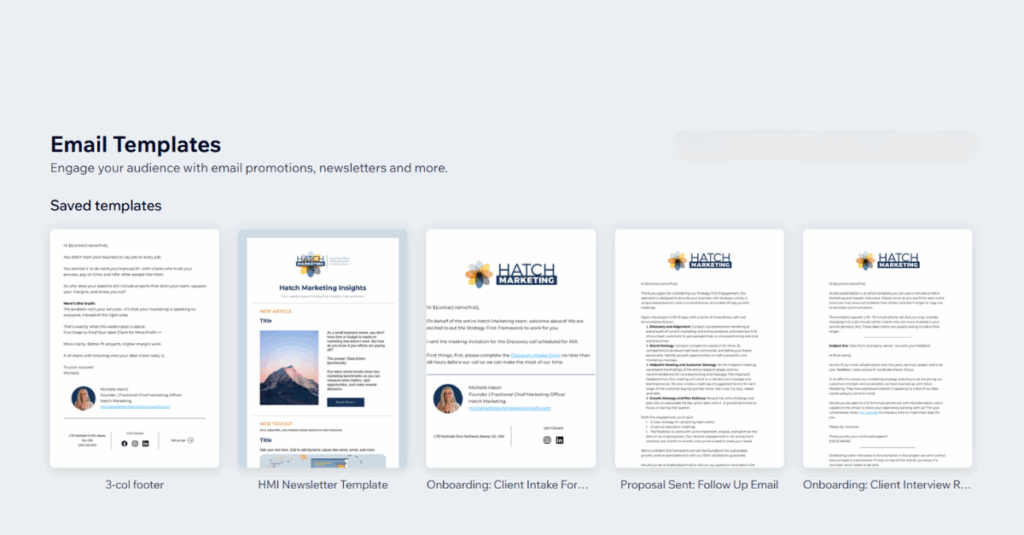
Templates are your workhorses. They save time and build brand recognition. Create templates to reflect your company’s visual identity—logo and brand colors—that are optimized for mobile devices. This is super important since most people check email on their phones.
We create a base template, then duplicate and customize each based on the email purpose: welcome messages, follow-ups, referral requests, and monthly newsletters. More on building personalized templates next.
Build a Strong Opt-In Process
Before you start emailing anyone, you need permission. A clean, compliant opt-in process ensures your list is full of engaged, high-quality leads. It’s also crucial for adhering to the CAN-SPAM Act, which regulates commercial email practices.
Effective opt-in strategies include:
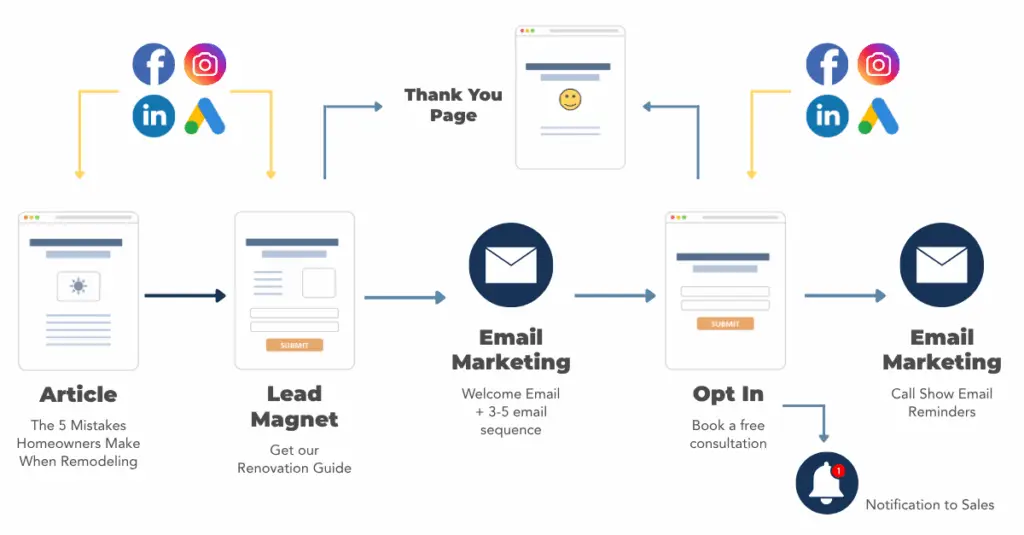
- A lead magnet: Offer a downloadable renovation guide, budget calculator, or checklist in exchange for an email.
- Clear signup forms: Use simple, mobile-friendly forms on high-traffic pages like your homepage, blog, or project gallery.
- Double opt-in confirmation: Send a follow-up email to confirm their subscription. This improves list quality and deliverability.
Your opt-in copy highlights the value of subscribing, e.g., “Get monthly remodeling tips and project inspiration.” Avoid adding people without their consent. Permission-based email marketing always outperforms unsolicited outreach in the construction industry.
Add email automation to the form to trigger a welcome email sequence once someone opts-in to set the tone for future communications.
Build Your Email Template Library
Your templates are the workhorses of your email system — they save time while keeping your messaging consistent across every touchpoint with leads, prospects and clients.
Here are four templates to get your library started:
- Welcome Emails: Set a warm tone with a message that introduces your company and what subscribers can expect.
- Follow-Up After Quotes: Craft a concise email thanking them for their interest and providing additional information that might help in their decision-making.
- Referral Requests: Politely ask satisfied clients to refer your services, perhaps offering a small incentive for successful referrals.
- Monthly Newsletters: Share updates on recent projects, design tips, or industry insights to keep your audience engaged.
Welcome Email for New Subscribers
First impressions count. A welcome email is the first message a new subscriber receives after opting into your list. It’s sent as soon as the subscriber opts-in. It sets expectations, introduces your brand, and lays the groundwork for building long-term trust and conversion.
Welcome emails have an average open rate of 34.79% and a conversion rate of 2.91%, the highest among email types, so make it count.
Your welcome template should feel personal and deliver immediate value. Here’s a breakdown on how to nail it:
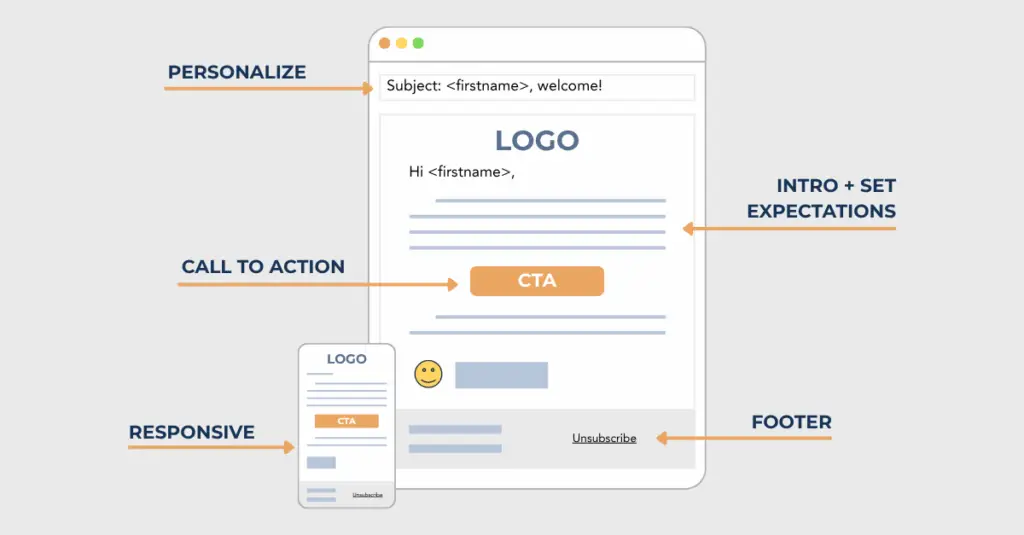
- Personalize the message: Use the subscriber’s name in the subject line and body.
- Introduce your business: Clearly state your core brand message and share your story to create connection.
- Set expectations: Let them know the types of emails you send and the frequency they can expect.
- Clear Call-to-Action: Tell them what you want them to do next, e.g., visit your website, download a resource, follow you on social media.
- Footer with contact information and a clear way to unsubscribe.
Follow-up Email After Sending a Quote
The days after a quote is sent make or break sales conversion. Send your first follow-up email within 24 hours of sending the quote.
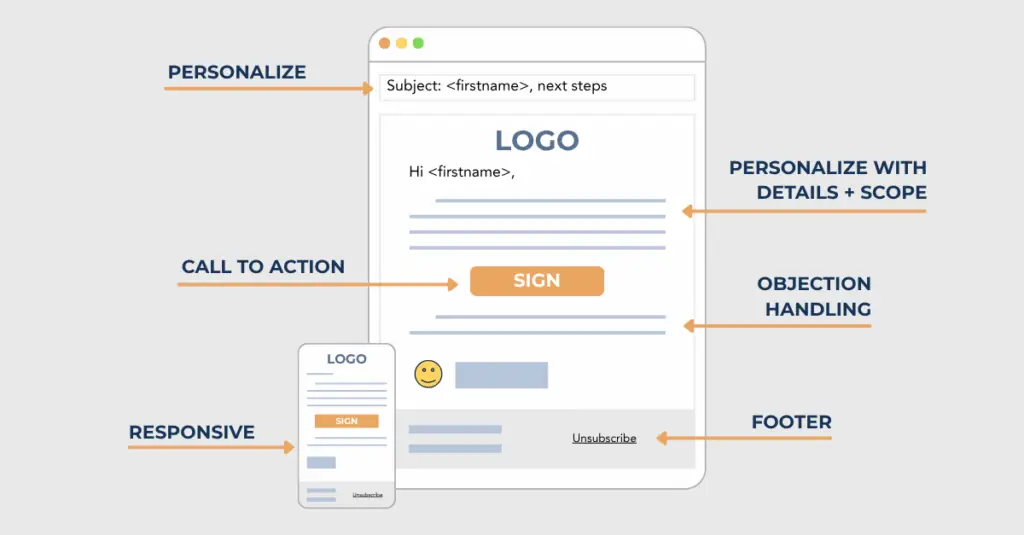
Include sections in the template that you can personalize for the prospect, and pre-written sections to keep messaging consistent:
- Thank them for their time and consideration
- Reference specific details from your site visit or conversation
- Brief recap of scope, timeline, and investment
- Proactively answer common concerns or objections
- Clear next step for them to take
The key is personalization—mention something specific about their project or a detail from your conversation. Generic follow-ups get ignored and lose business.
Referral Request Email to Past Clients
Happy clients are your best source of new business. Conversion rates are typically much higher on referred leads, so building a process to consistently ask for referrals builds stability in your pipeline.
Create a template that:
- Thanks them genuinely for being a great client and asks for referrals.
- Outlines referral incentives, if you offer any.
- Makes referring easy with pre-filled forms and social sharing options. The simpler the process, the more referrals you’ll receive.
Make sending this email part of your project closeout process to boost your construction lead generation efforts.
Monthly Newsletters Build Trust and Sales
Monthly newsletters keep your brand visible and support every stage of the customer journey:
- For new leads, they educate and inspire.
- For active prospects, they reinforce your credibility.
- For past clients, they keep your brand top-of-mind and drive referrals.
Plan a monthly calendar to include:
- Before/after project photos to showcase craftsmanship
- Seasonal home tips that deliver ongoing value
- New blog articles or trends to demonstrate expertise
- Client testimonials that reinforce trust and satisfaction
The monthly frequency is critical to cut through the noise and to provide enough data to make improvements. Consistent communication builds trust and positions you as the go-to remodeling company when they’re ready for their next project.
Up Next: Part 2 – Automate, Optimize, and Convert
With your email foundation in place — segmented lists, branded templates, and a clear opt-in process — you’re ready to take the next step in your email marketing strategy.
In Part 2, we dig into how to use email automation, track engagement, and use behavioral triggers to re-engage leads who’ve gone cold. We’ll also cover the best times to send, how to write subject lines that get opened, and the key metrics that show whether your system is actually converting.
Stay tuned—your highest-converting construction marketing asset is just getting started.
Subscribe to our newsletter below for more email marketing tips and strategies to ensure your email marketing success in the construction industry.